Springs · Strathroy-Caradoc
Garage Door Roller Replacement
Every morning the door announces itself: a rattle on the way up, a grinding squeal on the way down, loud enough that the neighbours know when you leave.
In plain words
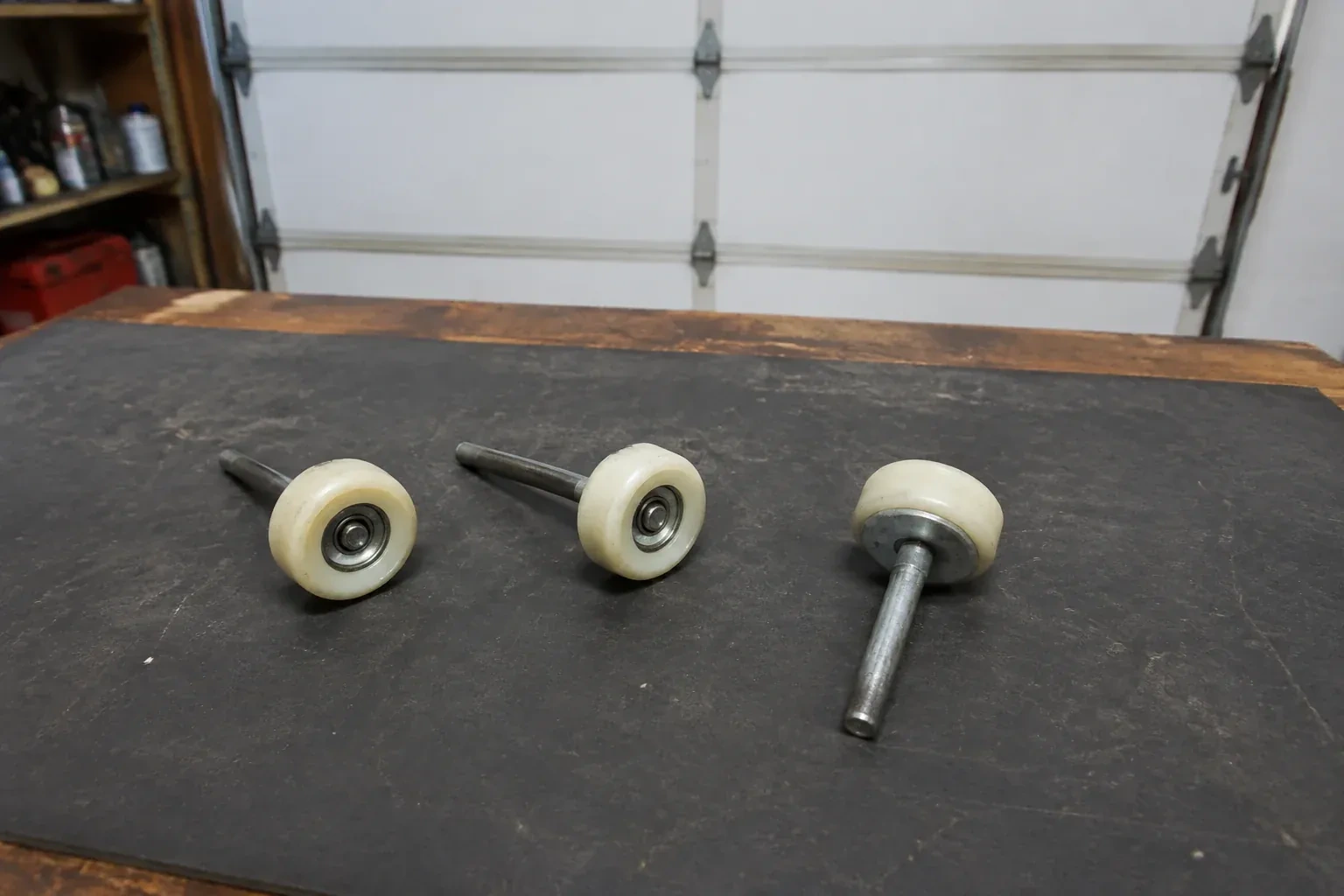
Most of the noise a garage door makes comes from its rollers. Steel wheels on a steel track are loud by nature and grow louder as their bearings dry out and pit, and the plastic wheels fitted to many new doors have no bearings at all, so they simply grind as they wear. Moving to nylon rollers with sealed ball bearings changes the sound of a door more than any other single part, because the nylon tire absorbs vibration instead of passing it into the track and the ceiling. The same visit lubricates the hinges and squares the track so the quiet lasts.
How the visit goesEvery morning the door announces itself: a rattle on the way up, a grinding squeal on the way down, loud enough that the neighbours know when you leave. A spray of lubricant settled it for a day or two, then the racket came back.
Garage Door Roller Replacement
How the visit goes
The hardware the rollers live in
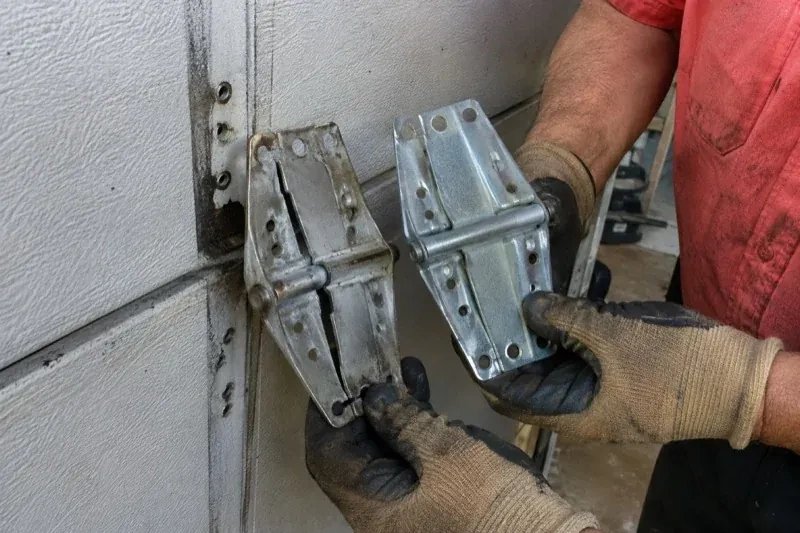
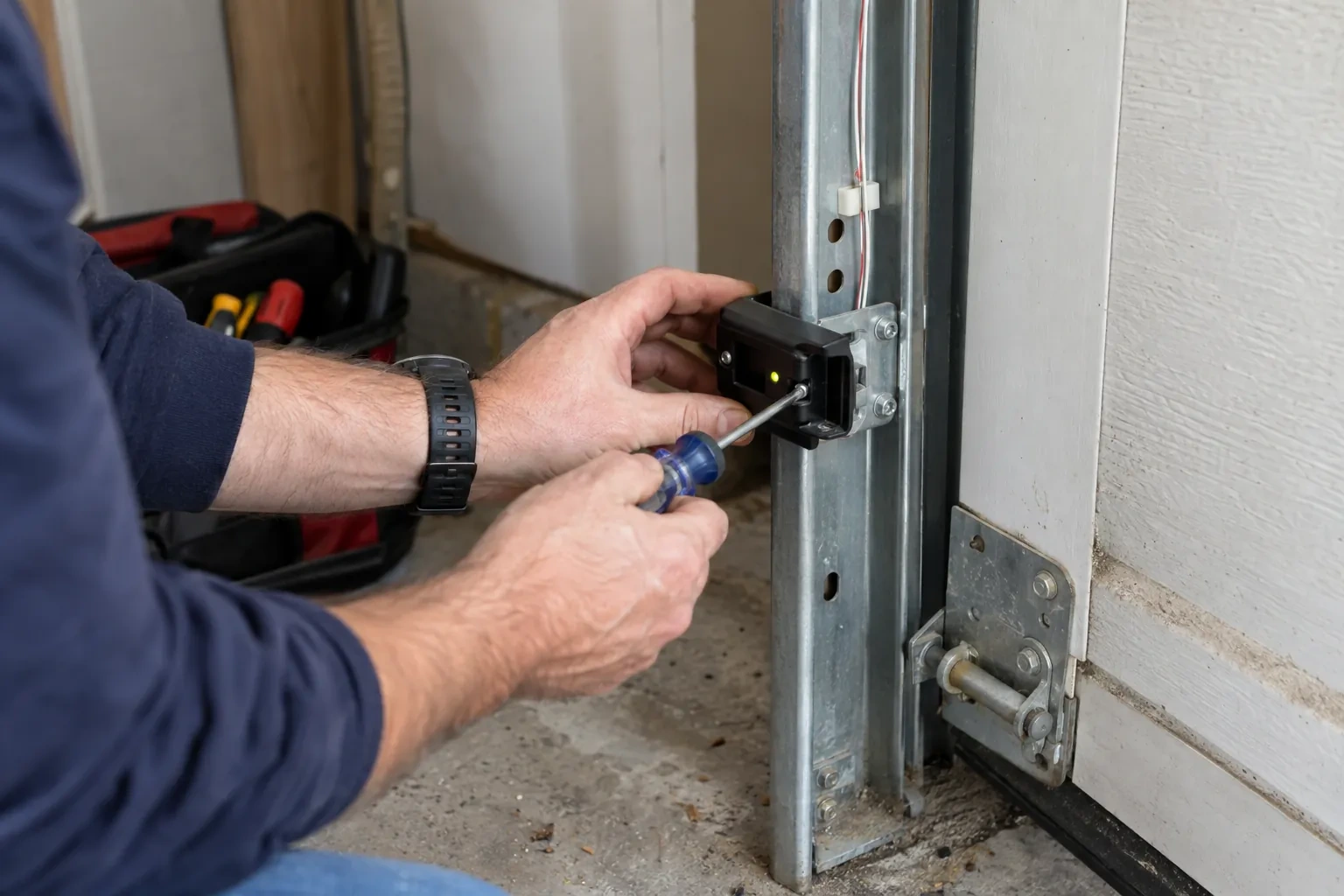
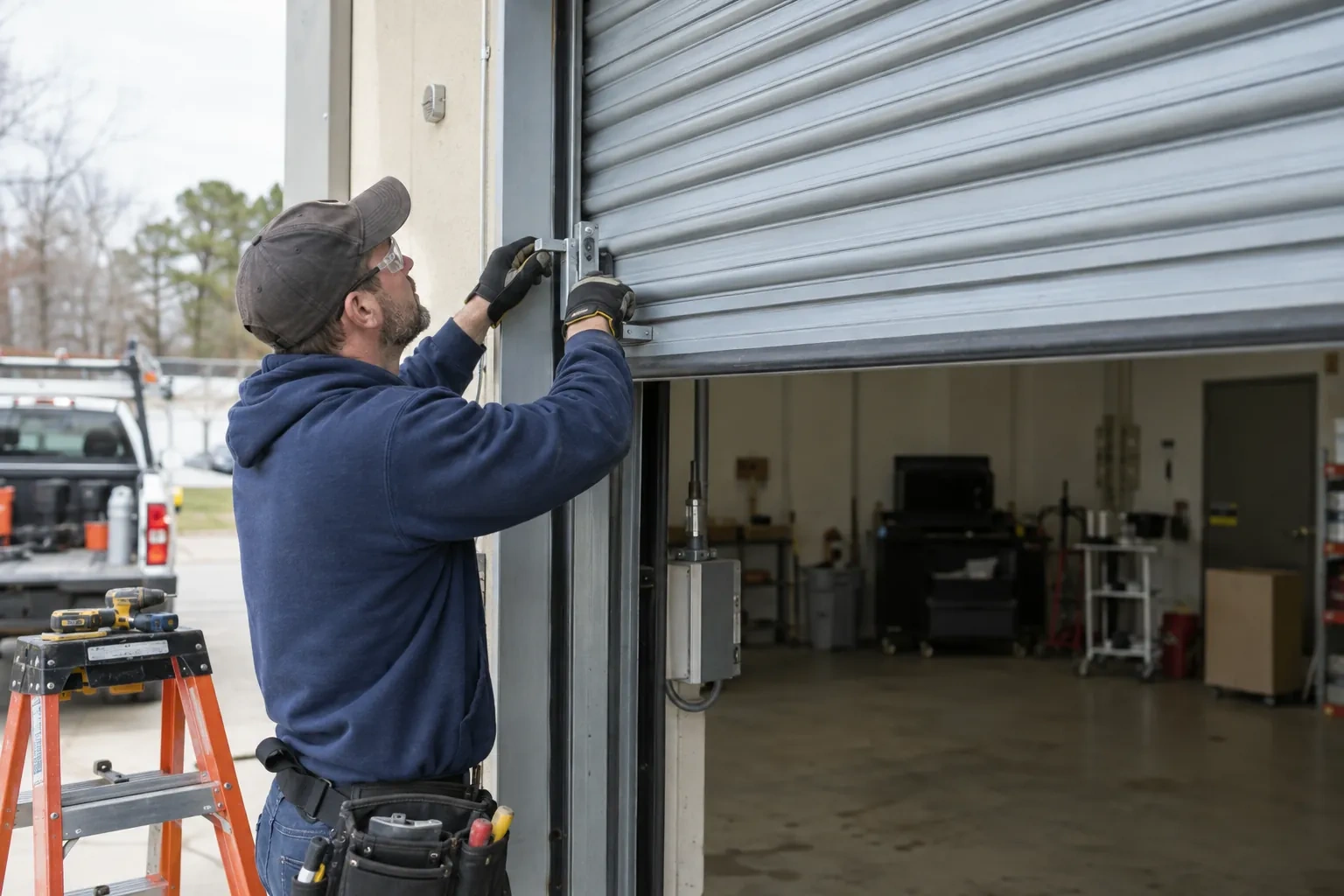
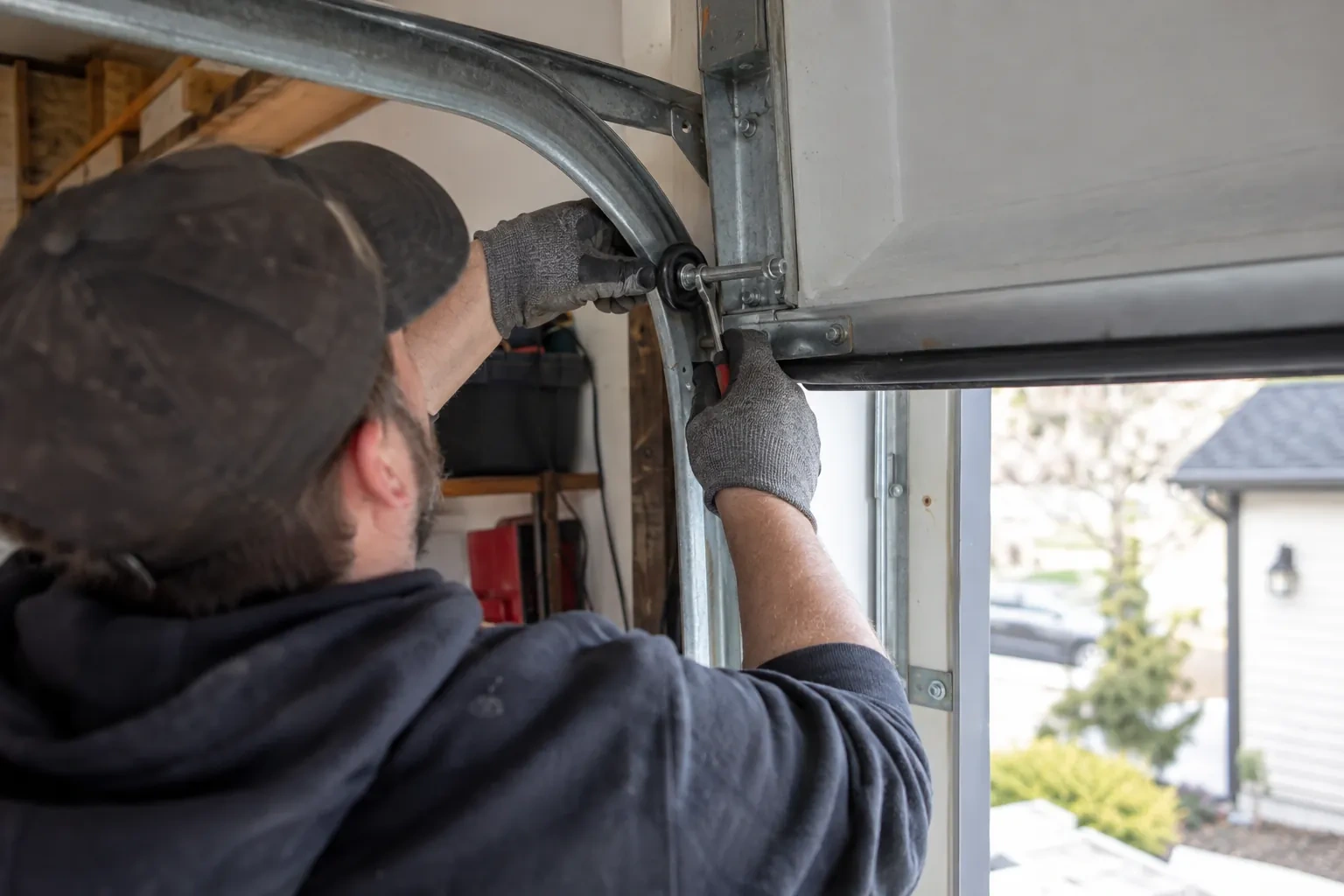
A roller is only as good as the bracket that holds it. The technician inspects every hinge for cracks at the knuckle, elongated holes and loose or missing fasteners, checks that the top fixtures still adjust and hold their setting, and looks over the bottom brackets for rust, deformation and the condition of the cable attachment. Jamb brackets and the flag brackets at the top of the vertical track are checked for movement. A door moves more than a thousand times a year and that vibration loosens bolts, so a hinge that has been working loose is often the reason a wheel wore crooked, and it is refastened or replaced as part of the same visit.
Cleaning and squaring the track
With the rollers changed, attention turns to the channel they run in. The technician clears grit, salt residue, old grease and any ice from the lower track, wipes the raceway clean, and checks each vertical track for plumb and each horizontal track for level and secure hangers. Jamb brackets and flag brackets are tightened or shifted so the track sits at the correct distance from the door, giving each new wheel a small amount of side play and a clear path around the curve. A dented lip is straightened where the metal allows, and a badly damaged length of track is pointed out for replacement.
Planning the next set
New ball-bearing nylon rollers on a residential door typically give seven to ten years of ordinary use before they are due again, and sealed-bearing types often longer, while a door that cycles many times a day wears everything sooner. A sensible rule is to have the rollers looked at whenever the door is serviced and to replace them as a set when the springs are next changed, since both wear on a similar timeline and the door is already secured for the work. Industry guidance suggests a professional look at the whole door once a year, with rollers on the list.
Garage Door Roller Replacement
In the van
Sealed-bearing nylon rollers
Steel ball-bearing rollers
Track clamps or locking pliers
1-1/2 inch reversal test block
Long-stem rollers for double hinges
Garage Door Roller Replacement
What affects the quote
Track alignment and repair
Realigning jamb brackets, straightening a dented lip or replacing a damaged length of track is separate from the roller work and quoted as such when the inspection finds it.
Combining with spring or cable work
If springs or cables are being replaced in the same visit, the door is secured once and the roller set is added to that job, which is often more economical than a separate call.
Stem length and double hinges
Doors with two hinges stacked at each end need long-stem rollers at those positions. Those cost more than standard four-inch stems and are counted separately in the quote.
What to have ready
- Does the door stay put at halfway when the opener is released?
- Is the opener straining, reversing partway, or working harder than it used to?
- When were the springs last replaced, if you know?
Garage Door Roller Replacement: questions
QuestionsWhat is the difference between two-inch and three-inch rollers?
The figure is the wheel diameter, and it has to match the track. Residential sectional doors run on two-inch track and take a two-inch wheel; commercial doors can run on either two-inch or three-inch track, so the wheel is matched to what is actually installed. Wheel size has little to do with noise, which comes from the wheel material and bearings. The technician measures the track and the existing wheel before ordering so the set fits, since a mismatched wheel either jams in the channel or rattles around in it.
What happens during the visit, and do I need to move the car?
The technician needs clear access to both tracks from floor to ceiling, so moving vehicles out and shifting anything stored against the walls near the tracks helps. The visit itself runs in order: the door is watched in motion, every roller and its hardware is inspected, the door's balance is tested, the door is secured and the rollers are changed one position at a time, the track is cleaned and squared, moving parts are lubricated, and the door and opener are tested.
Will new rollers make my door quieter?
Usually, and often dramatically. Rollers are the only part of the door that touches the track, so most of a door's clatter starts there. Moving from worn steel or bare plastic wheels to nylon ball-bearing rollers changes the sound more than any other single part. The rest of the quiet comes from the same visit: hinges lubricated, loose bolts tightened, the track squared so nothing rubs. Springs can still squeak on their own, and the technician can treat those separately.
Related services
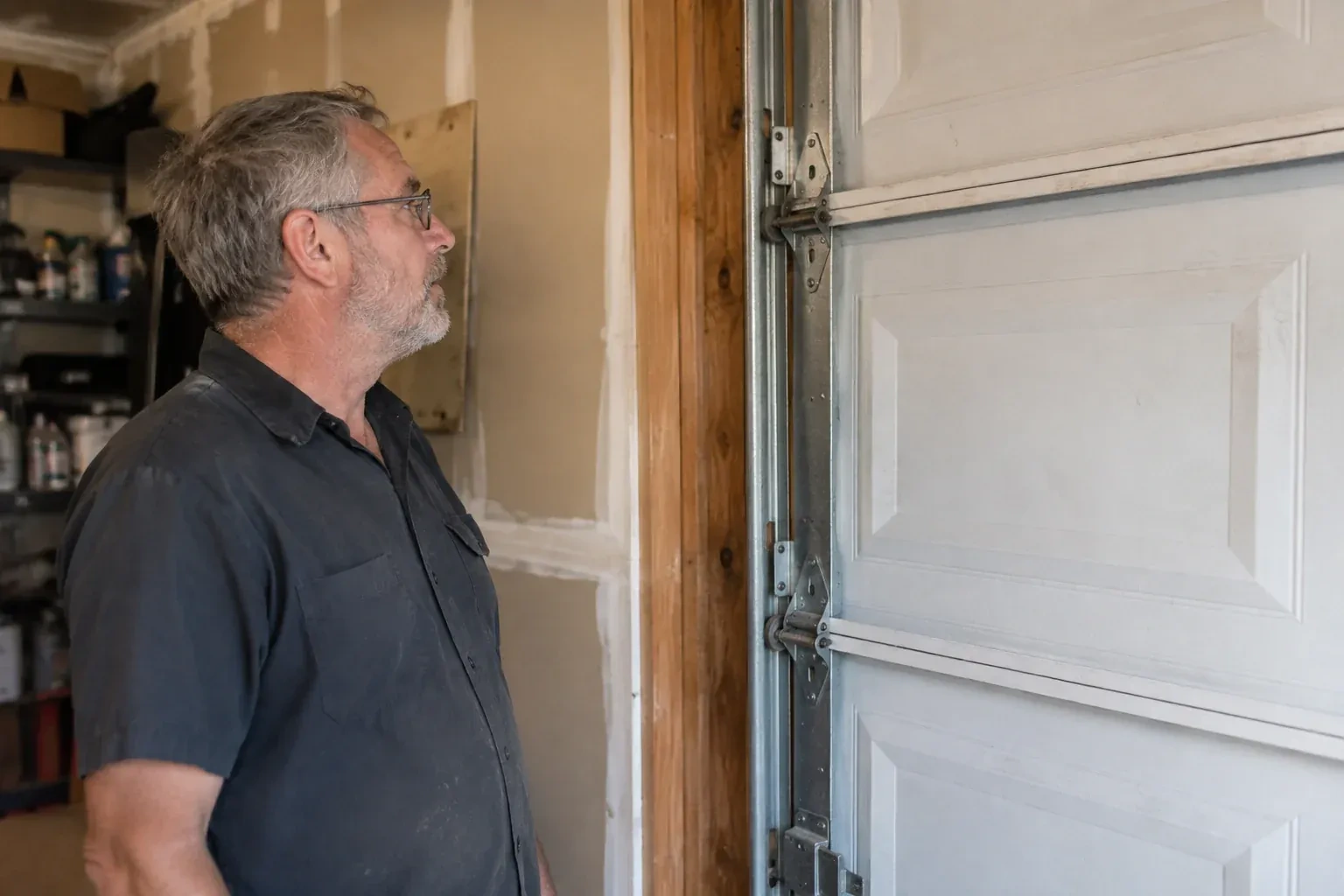
- Garage Door Track Repair or ReplacementThe horizontal rail toward the back of the garage sags noticeably.
- Garage Door Cable ReplacementSomeone left the snow shovel leaning in the opening and the door came down on it.
- Torsion Spring ReplacementAfter pulling the red release cord, you tried lifting the door yourself and it would barely leave the floor.