Springs · Appin
Garage Door Roller Replacement in Appin
Every morning the door announces itself: a rattle on the way up, a grinding squeal on the way down, loud enough that the neighbours know when you leave.
In plain words
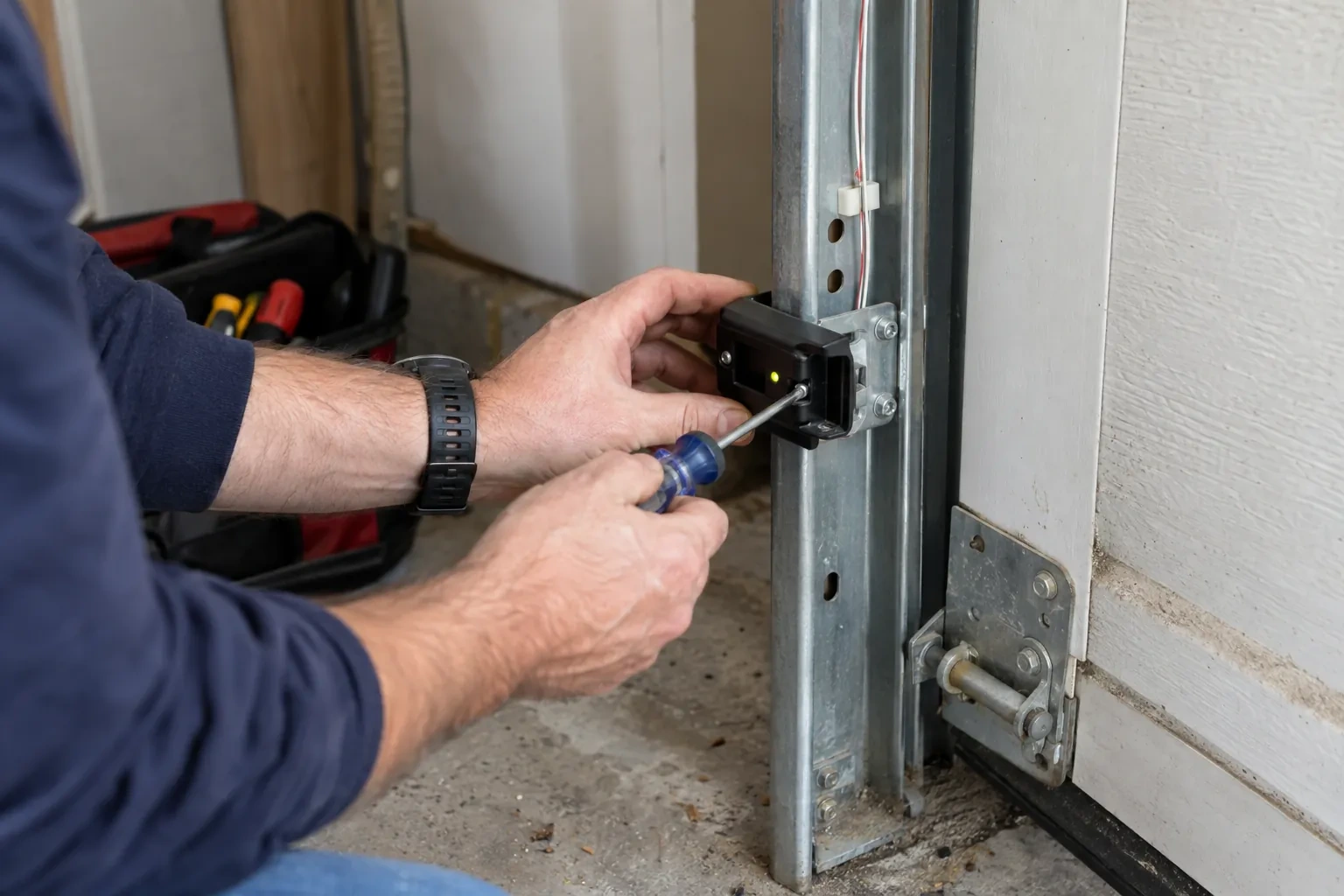
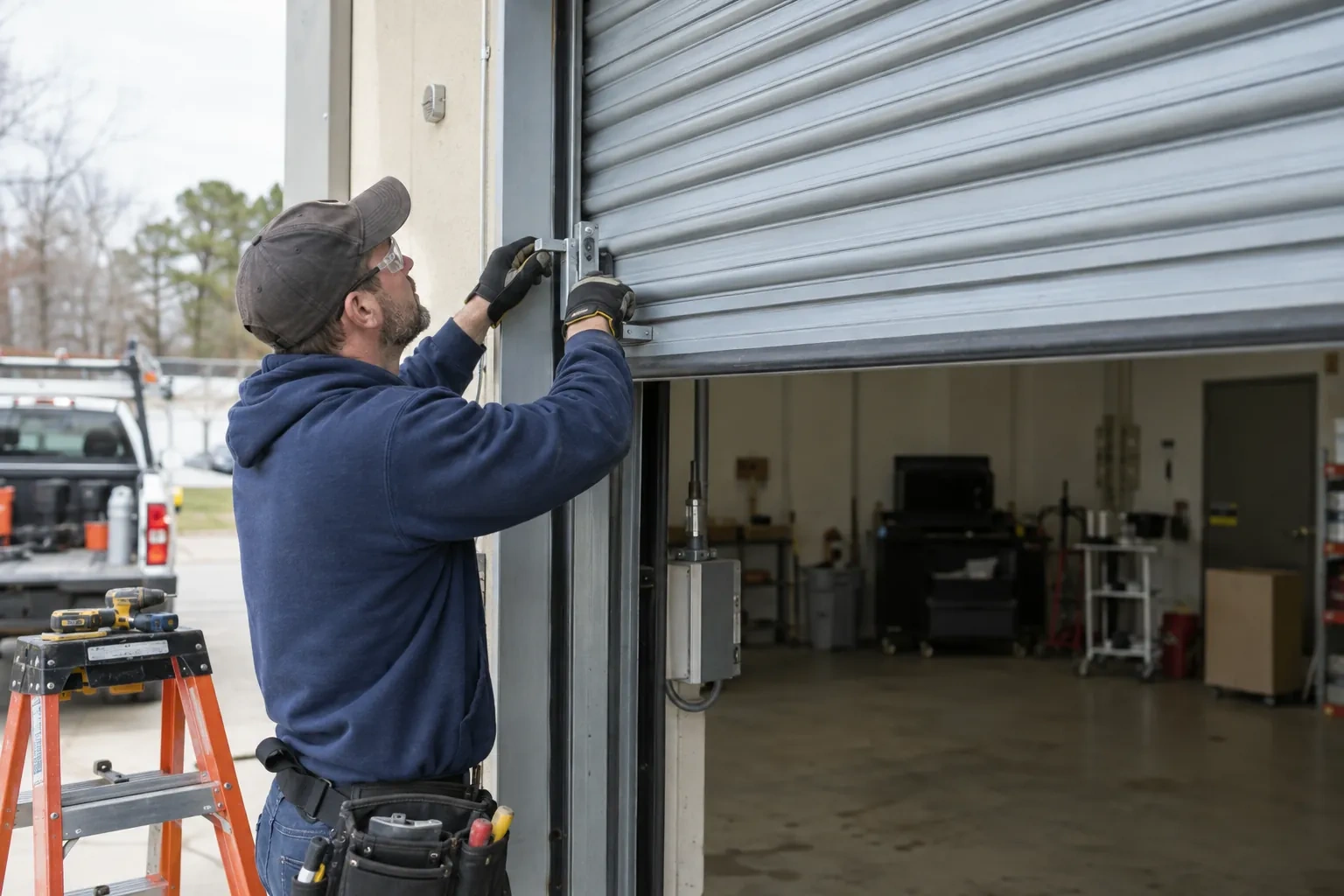
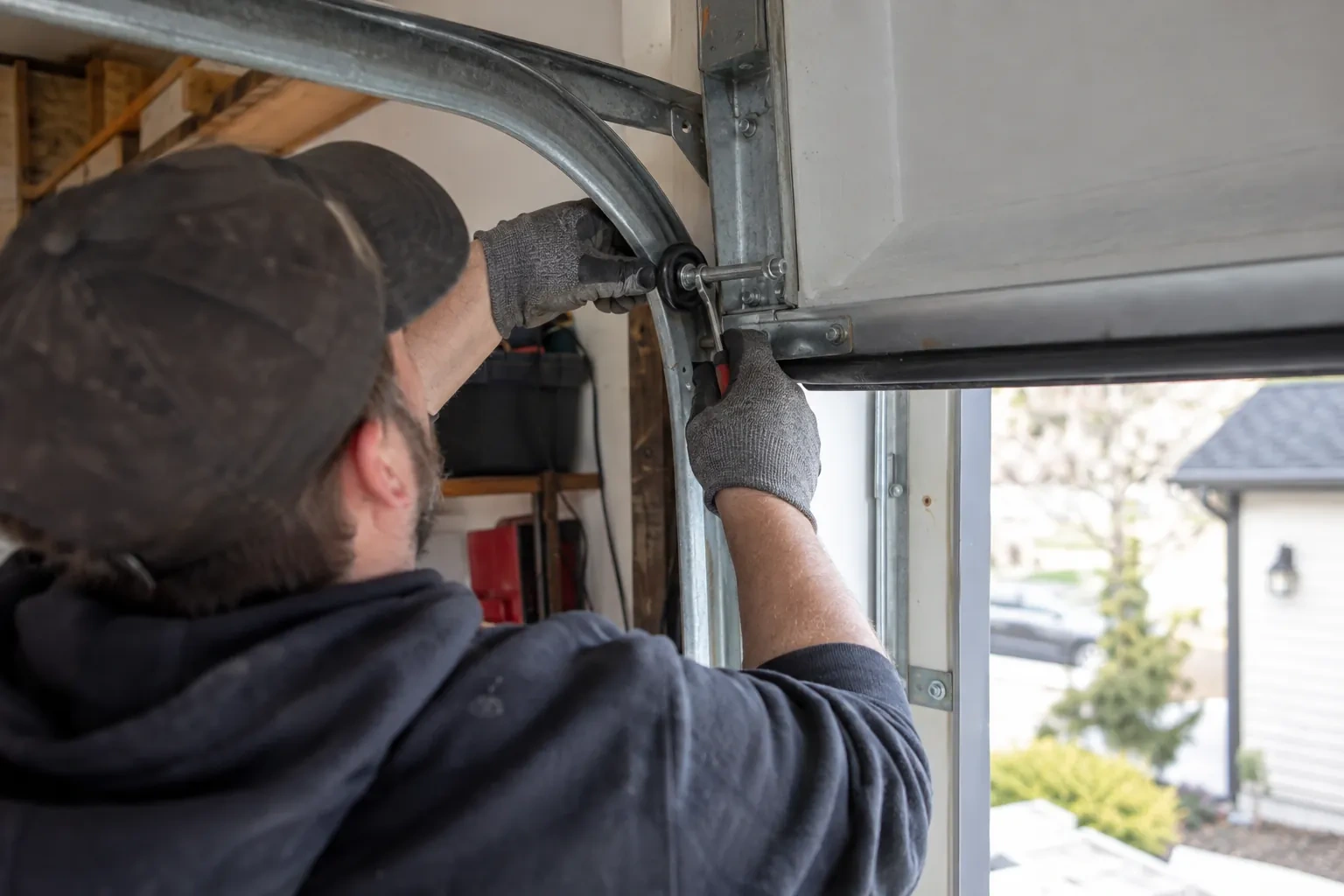
The visit starts with the door rather than the parts. A technician runs it on the opener and then by hand, listens for where the trouble is, examines every roller for wear and play, and confirms the door is balanced, because an unbalanced door chews through rollers. Then the door is clamped in position and the rollers are changed one at a time so the remaining wheels keep the sections aligned. Top fixtures are reset so the top section seals, the track is cleaned and squared, moving parts are lubricated, and the door is cycled and tested before the tools go back in the van.
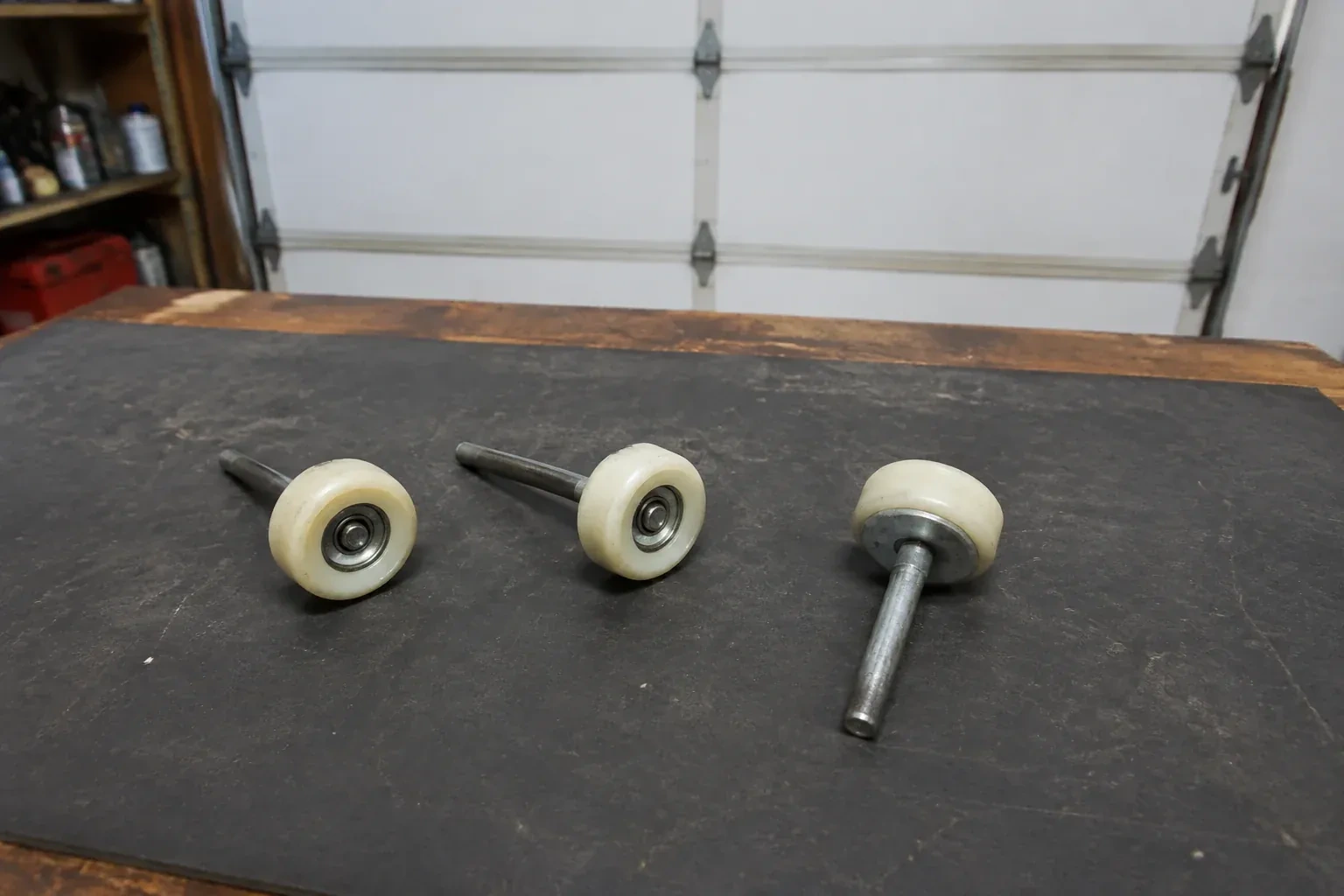
How the visit goesThe door is the one the builder installed and has never had a part changed. It works, but it clatters, the wheels are hard white plastic with no bearings in them, and the opener sounds like it is labouring more each season.
Garage Door Roller Replacement
How the visit goes
Counting hinges and measuring stems
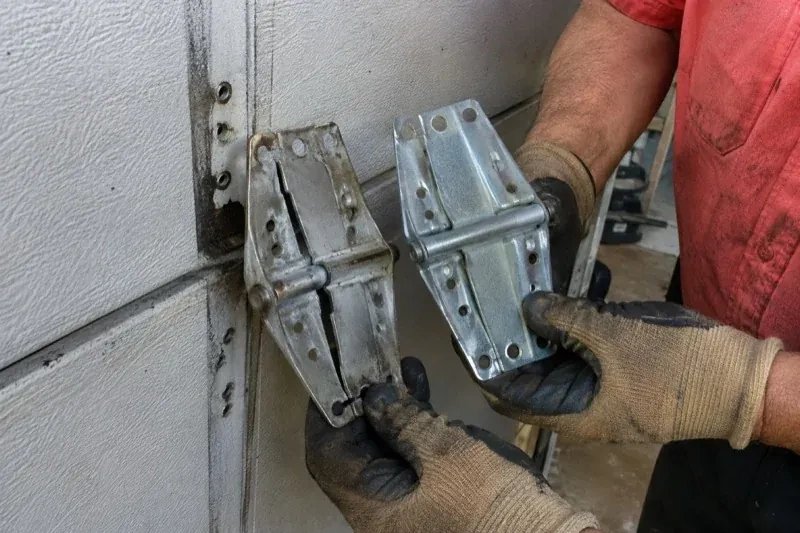
The right replacement depends on numbers taken from your door, not from a catalogue. The wheel diameter is measured across its face: residential track takes a two-inch wheel, while commercial track can take a two-inch or a three-inch wheel depending on the system. The stem is measured from the wheel to its end, and the hinges at each end stile are counted, because a single hinge takes a four-inch stem while two hinges stacked together on a heavier door call for a seven- or ten-inch stem that reaches through both. Stem diameter is confirmed too, since most doors built since the 1980s share one standard size but older doors may not. These measurements decide which set goes in.
Middle rollers, one hinge at a time
The rollers at the section joints sit in the edge hinges, and each is changed in turn. The technician loosens the hinge fasteners just enough to swing the hinge leaf and ease the old roller out of the track, seats the new roller in the hinge, guides its wheel back into the channel and refastens the hinge with the section held square. Because every other roller stays put while one is out, the door never loses its alignment. Numbered hinges go back to their own rows, since each row holds its wheel at a slightly different offset to follow the graduated spacing of the track.
A door that runs quietly and squarely
The first thing most people notice is the quiet. A door on new nylon ball-bearing rollers moves with a low hum instead of a clatter, sections stay level as they rise, and the landing at the floor is soft rather than a thump. Because the top fixtures have been reset, the top section pulls snug to the header and the draught that used to come over the top of the door is reduced. Beneath the quiet is the structural benefit: every wheel is centred in its track with the right stem through the right hinge, so the door has far less tendency to wander toward the track lip.
Garage Door Roller Replacement
In the van
Sealed-bearing nylon rollers
Steel ball-bearing rollers
Track clamps or locking pliers
1-1/2 inch reversal test block
Long-stem rollers for double hinges
Garage Door Roller Replacement
What affects the quote
Stem length and double hinges
Doors with two hinges stacked at each end need long-stem rollers at those positions. Those cost more than standard four-inch stems and are counted separately in the quote.
Track alignment and repair
Realigning jamb brackets, straightening a dented lip or replacing a damaged length of track is separate from the roller work and quoted as such when the inspection finds it.
Hinges that need replacing
Cracked, elongated or rusted hinges found during the inspection are replaced with the correct numbered hinge, each priced as its own item alongside the rollers.
What to have ready
- Can we reach both tracks, or is there shelving or a car in the way?
- Do any wheels look chipped, crooked, or sitting on the lip of the track?
- Is the opener straining, reversing partway, or working harder than it used to?
Garage Door Roller Replacement: questions
QuestionsWhat is the difference between two-inch and three-inch rollers?
The figure is the wheel diameter, and it has to match the track. Residential sectional doors run on two-inch track and take a two-inch wheel; commercial doors can run on either two-inch or three-inch track, so the wheel is matched to what is actually installed. Wheel size has little to do with noise, which comes from the wheel material and bearings. The technician measures the track and the existing wheel before ordering so the set fits, since a mismatched wheel either jams in the channel or rattles around in it.
What happens during the visit, and do I need to move the car?
The technician needs clear access to both tracks from floor to ceiling, so moving vehicles out and shifting anything stored against the walls near the tracks helps. The visit itself runs in order: the door is watched in motion, every roller and its hardware is inspected, the door's balance is tested, the door is secured and the rollers are changed one position at a time, the track is cleaned and squared, moving parts are lubricated, and the door and opener are tested.
Will new rollers make my door quieter?
Usually, and often dramatically. Rollers are the only part of the door that touches the track, so most of a door's clatter starts there. Moving from worn steel or bare plastic wheels to nylon ball-bearing rollers changes the sound more than any other single part. The rest of the quiet comes from the same visit: hinges lubricated, loose bolts tightened, the track squared so nothing rubs. Springs can still squeak on their own, and the technician can treat those separately.
Related services
- Garage Door Track Repair or ReplacementThe horizontal rail toward the back of the garage sags noticeably.
- Garage Door Cable ReplacementSomeone left the snow shovel leaning in the opening and the door came down on it.
- Torsion Spring ReplacementAfter pulling the red release cord, you tried lifting the door yourself and it would barely leave the floor.