Springs · Southwest Middlesex
Garage Door Balance Adjustment in Southwest Middlesex
Released from the opener, the door will not hold anywhere.
In plain words
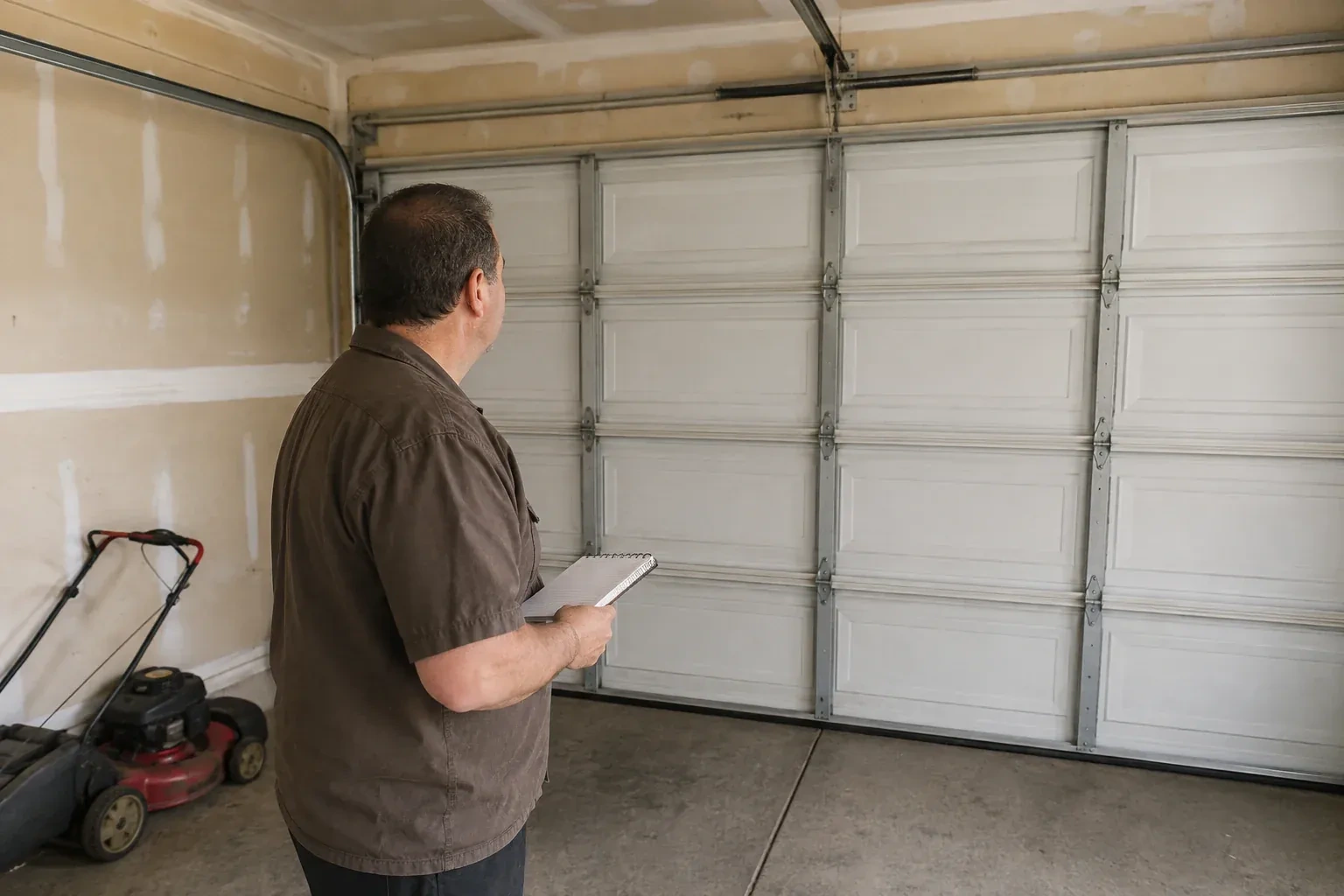
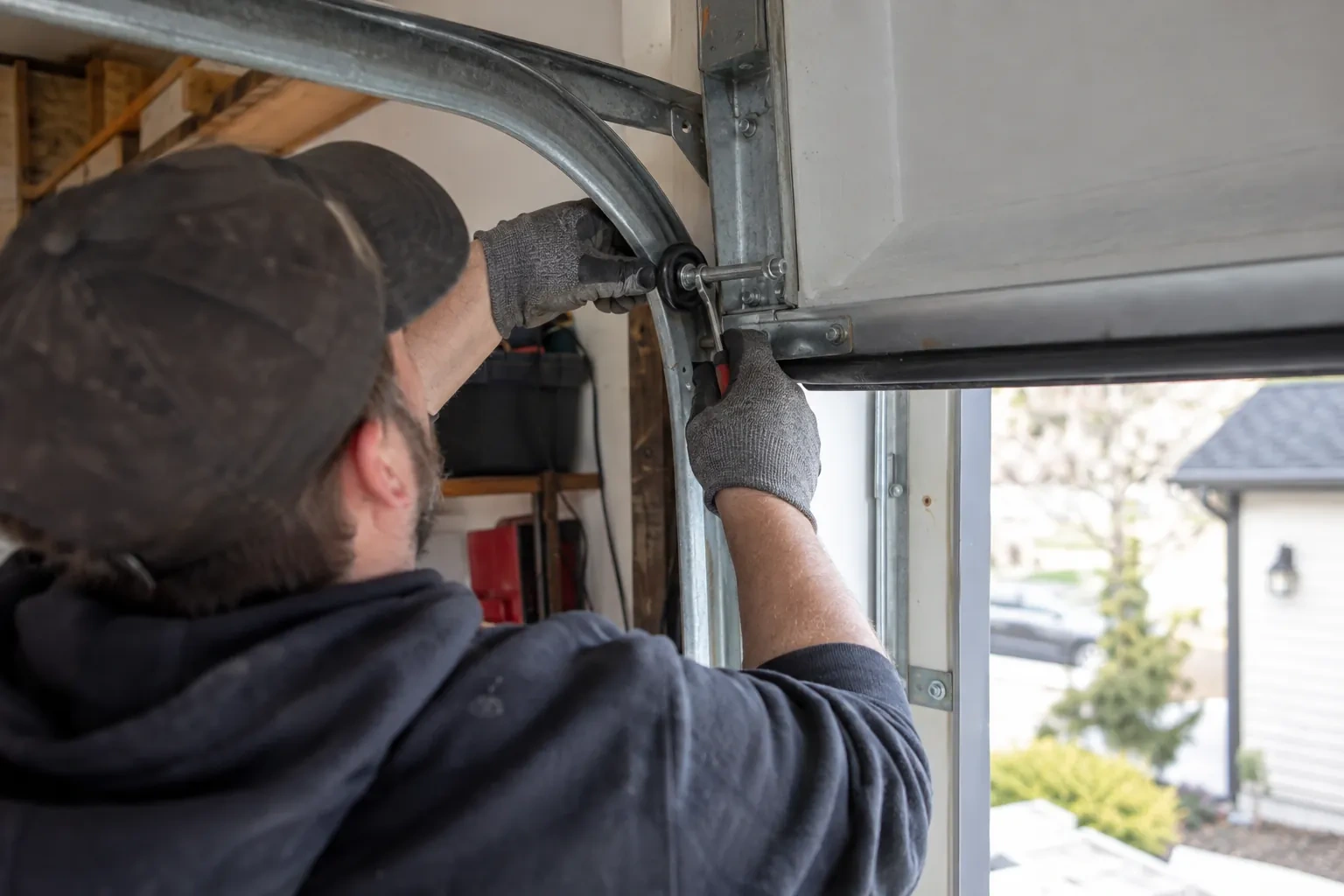
A balance visit follows a settled order. The technician first checks for a broken spring, displaced cable, binding or track damage; once safe to move, the door is run through a powered cycle, then released to repeat the movement by hand, separating the motor from the door. Springs, cables, drums, rollers, hinges and track are inspected before anything changes. Adjustment comes next, in small steps with a test after each one, until the door holds at every height and sits level. Finally the opener is reconnected, its settings reviewed against the newly balanced door, and the reversing safety tests run while you watch.
How the visit goesWith the door closed, daylight shows under one bottom corner and the seal is squashed flat at the other. As it rises, the left side leads by an inch or two, and the top section twists slightly as it turns into the horizontal track.
Garage Door Balance Adjustment
How the visit goes
Releasing the door and reading how it behaves
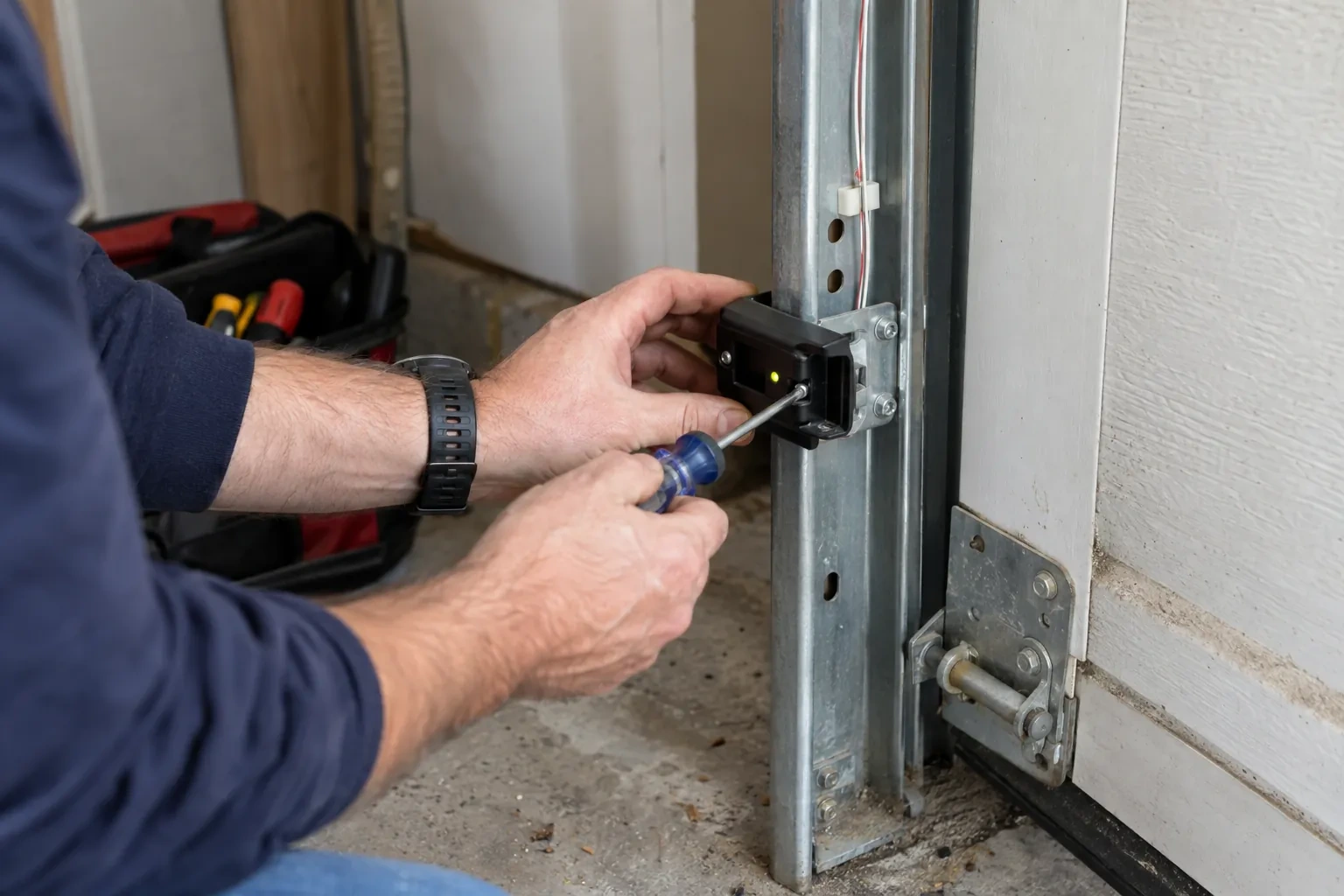
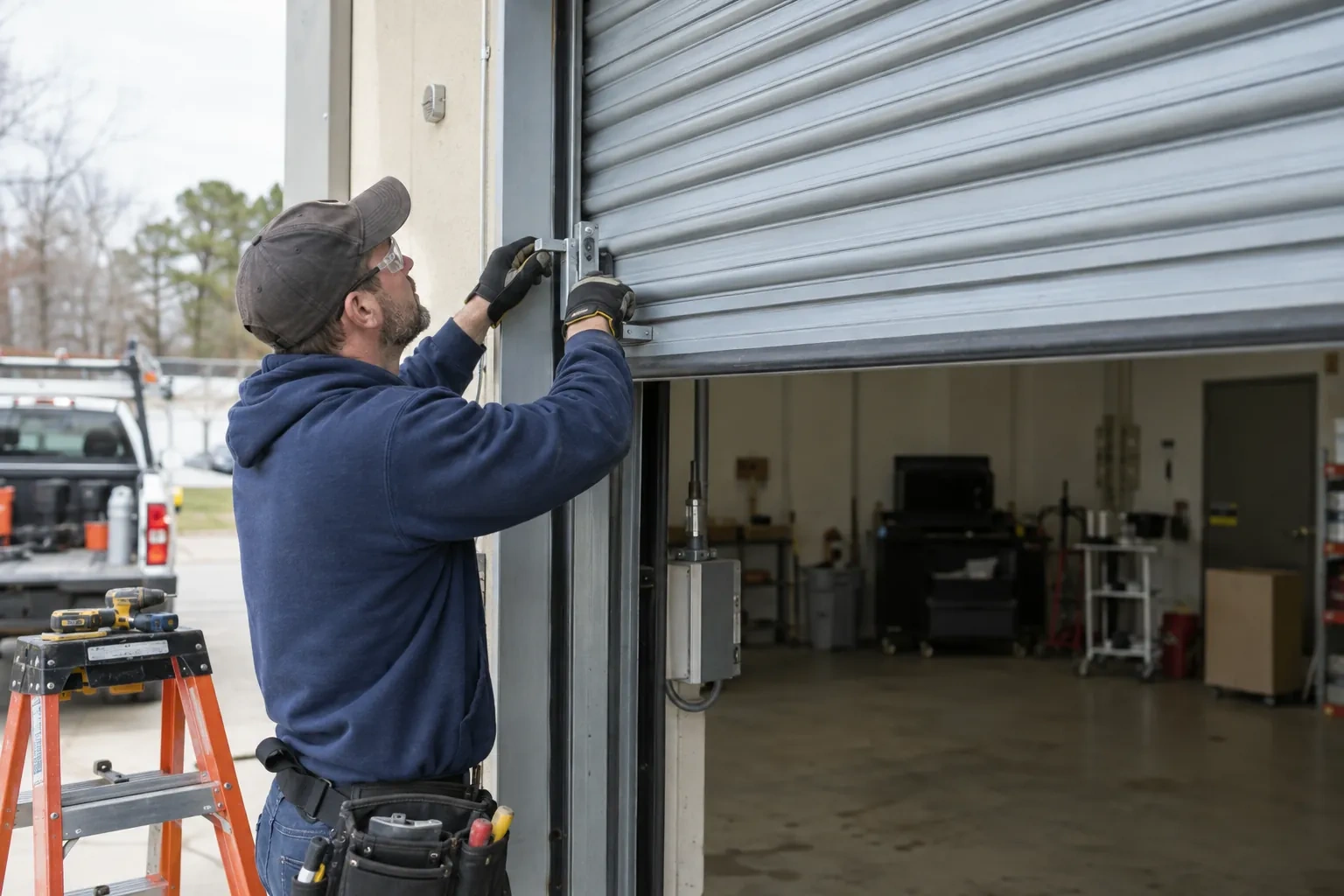
The assessment begins with the opener out of the picture. The technician closes the door, pulls the red manual release so the trolley disconnects, and lifts the door by hand to about a metre, then to full height, then lets it settle. A balanced door pauses wherever it is stopped; a door that climbs on its own has too much tension, one that drops has too little, and one that is fine low down but drifts up near the top can point to drum profile, cable length, uneven section weight or the spring's own characteristics rather than one single cause. How much effort the lift takes and whether it stays fully open are noted before anything is adjusted.
When adjustment gives way to replacement
Sometimes the hand test shows that the springs have given what they have to give. A torsion spring wound beyond its design turns loses its remaining life; an extension spring stretched to its last hook is at its limit. When the inspection or the door's weight shows the springs are undersized or near the end of their cycle life, the technician explains this and offers a matched replacement, with new springs specified from the door's weight, height, drum and track. The balance work then continues on the new springs, and the outcome is the same properly balanced door, with the added benefit of a fresh cycle count.
Keeping the opener honest
A balanced door lets the opener's safety settings stay at sensible values, and it is worth keeping them there. If the door ever starts to reverse for no reason or struggles to lift, resist the temptation to turn the force up on the motor; that hides a door that has grown heavy again and takes the entrapment protection out of its proper range. Instead, release the door and try the hand test. If it no longer holds, the springs want attention, and a balance adjustment puts the weight back on them so the opener can remain at the gentle settings it was left with.
Garage Door Balance Adjustment
In the van
Torsion springs, matched pair
Containment cables
Garage-door lubricant
Lift cables
Door scale
Garage Door Balance Adjustment
What affects the quote
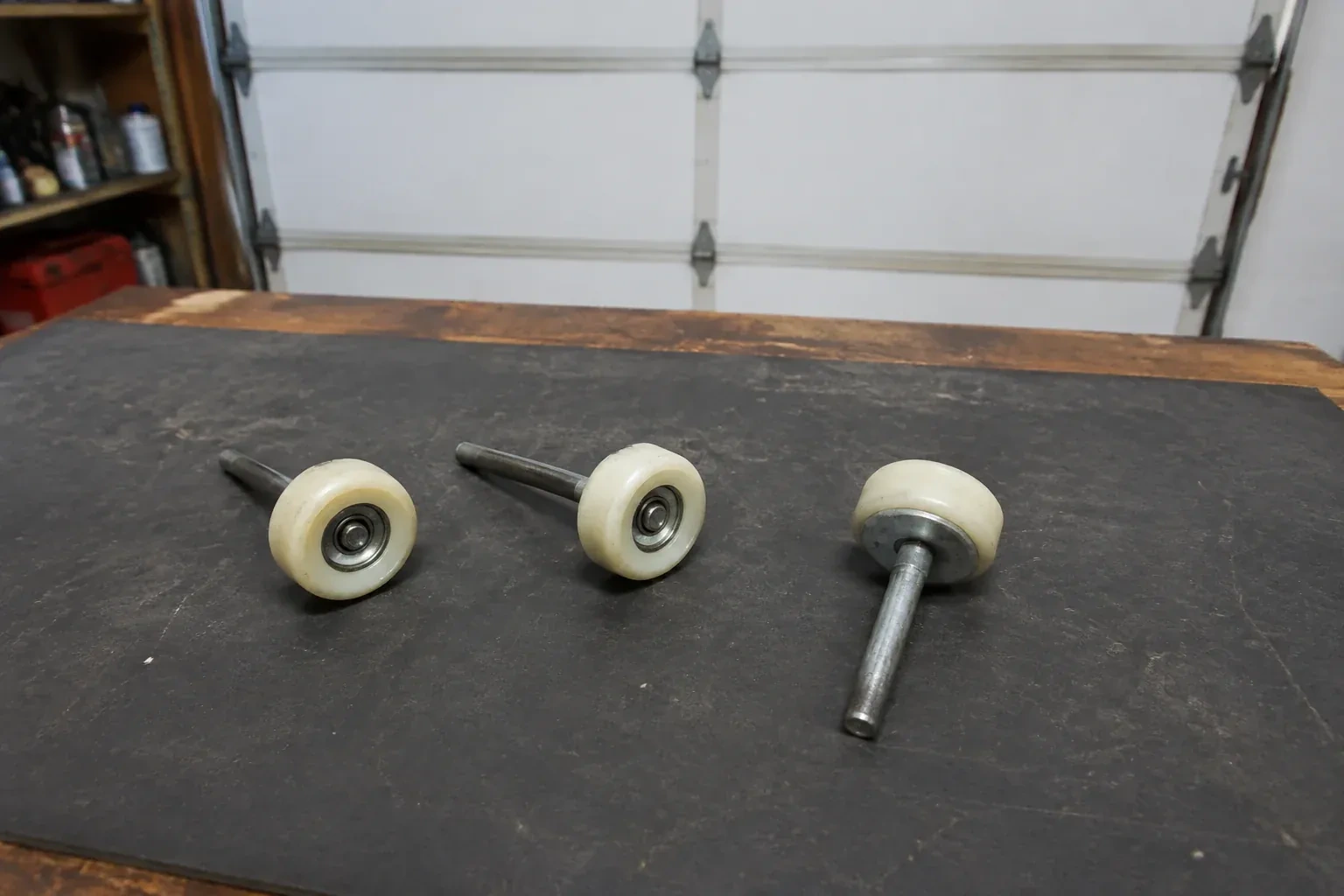
Rollers, hinges and friction repairs
Seized rollers or worn hinges that made the door heavy are pointed out and offered as optional items, since replacing them while the technician is at the door is efficient.
Single or double door
A double door commonly carries more spring than a single, but the exact count follows the manufacturer's engineered hardware package for that door's weight rather than width alone: one, two or more torsion springs, or one or two extension springs per side. More springs means more adjustment and testing.
Adjustment or replacement
If the inspection shows springs that can be wound to the door's weight, the quote covers adjustment. Springs that are undersized or worn out mean replacement, which is priced as separate work and explained first.
What to have ready
- Is it a single or a double door, and roughly how tall?
- Did the heaviness come on gradually or all at once?
- Is there storage or shelving near the spring shaft that needs moving?
Garage Door Balance Adjustment: questions
QuestionsThe door was fine until a power cut. Why is it heavy now?
During a power cut the door is often released and moved by hand for the first time in years, and what people discover is a door that had already grown heavy while the opener quietly covered for it. The outage did not change the springs; it revealed them. A balance check confirms what the door weighs against what the springs give, and resets them to match.
Why does my door sink or slam down when released?
Not enough spring tension for the door's weight. Springs lose a little pull as they age through thousands of cycles, and a door gains weight when insulation, windows or a heavier seal are added. Either way the door outweighs its springs. Adding tension in measured quarter turns restores the hold, provided the springs are sound; if they are near the end of their life, new ones are the right answer.
How often does a garage door need a balance adjustment?
There is no fixed interval; the door tells you. Many doors go years between adjustments, especially when they are lubricated and the springs were sized correctly. A hand test each season is the reliable guide: if the released door holds at about a metre and stays fully open, it is fine. When it starts to drift or sink, that is the time.
Related services
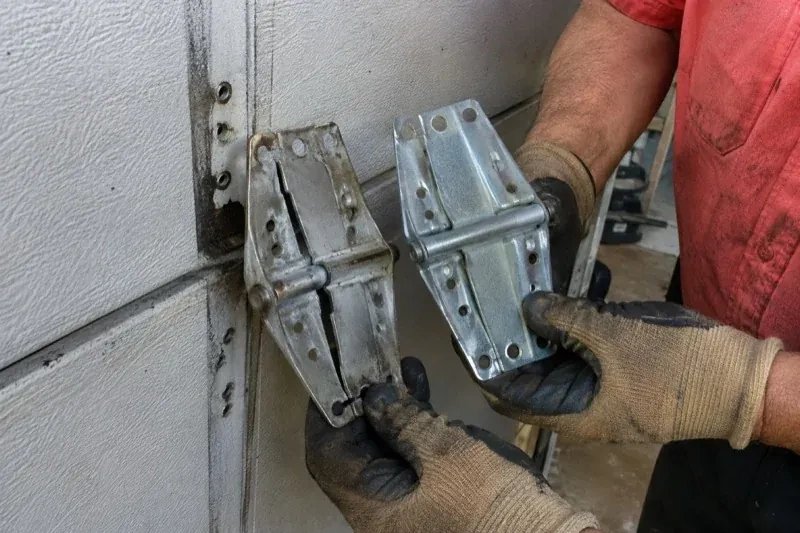
- Garage Door Hinge ReplacementWatching from inside as the door opens, you can see the gap between the second and third panels open up on one side as they turn the corner into the ceiling, then close again.
- Garage Door Track Repair or ReplacementThe horizontal rail toward the back of the garage sags noticeably.
- Garage Door Cable ReplacementSomeone left the snow shovel leaning in the opening and the door came down on it.